
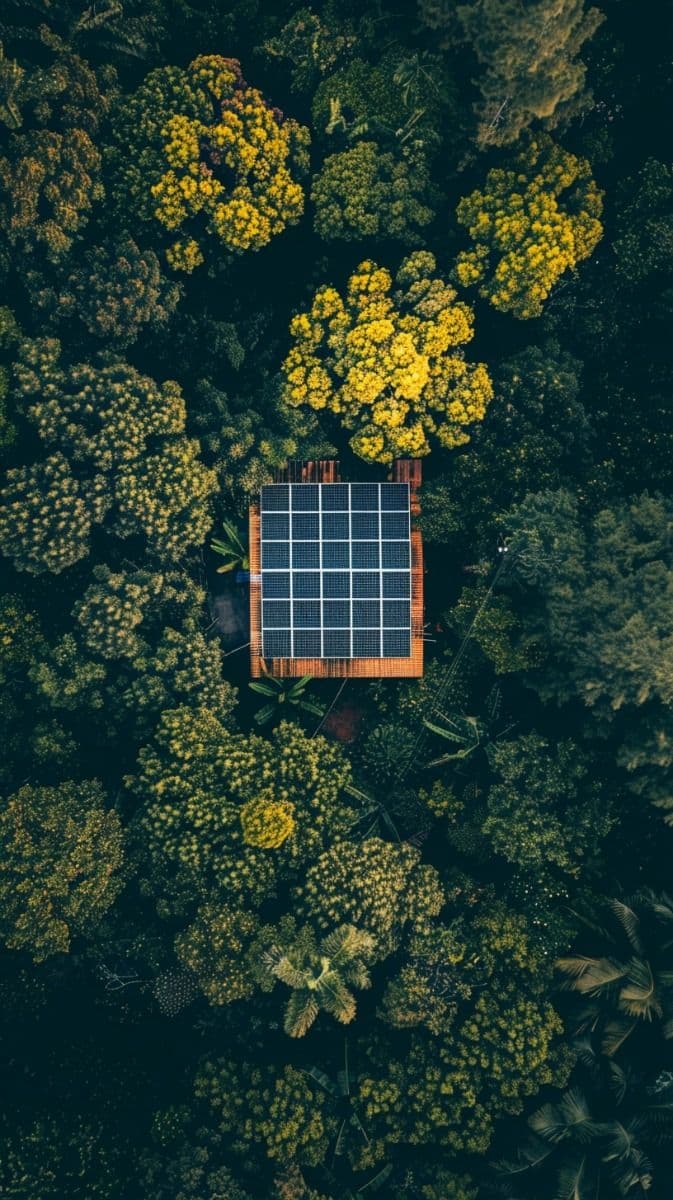
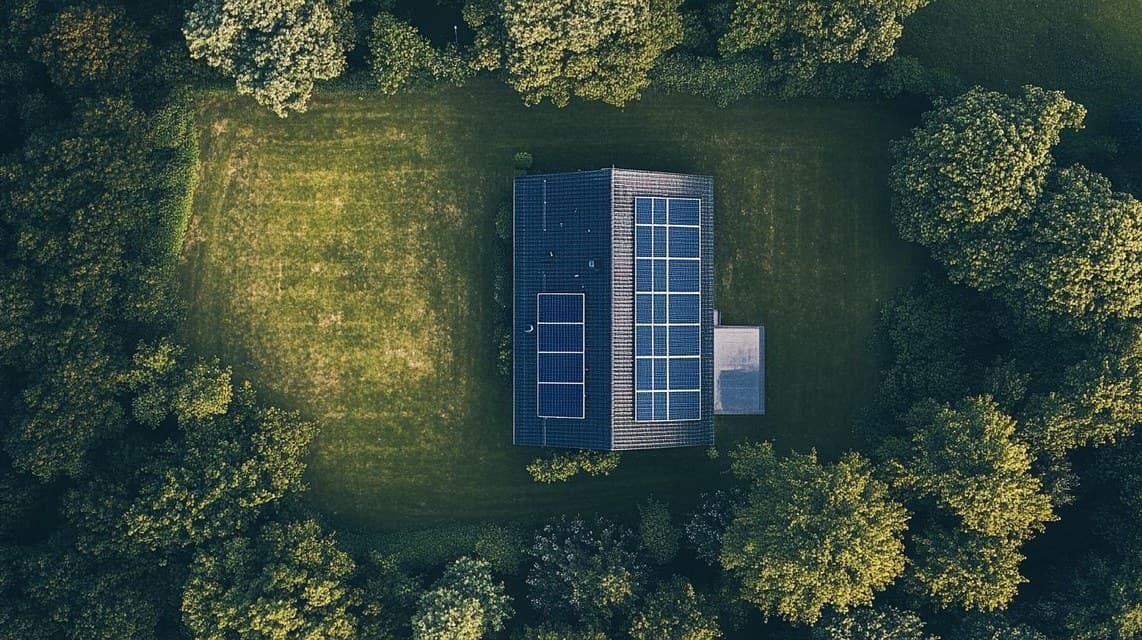
The sun doesn't send bills.
Solar systems engineered for Pakistani mills, farms, offices and homes — cutting electricity costs by up to 90%, and paying for themselves in as little as two years.
70-90%
Cut from commercial bills
2-4 yrs
Typical payback period
3-20 kW
Residential system range
19-22%
Monocrystalline efficiency
Four sectors. One standard.
From mill roofs to tube wells to family homes — every system is sized, engineered and installed for the load it actually has to carry.
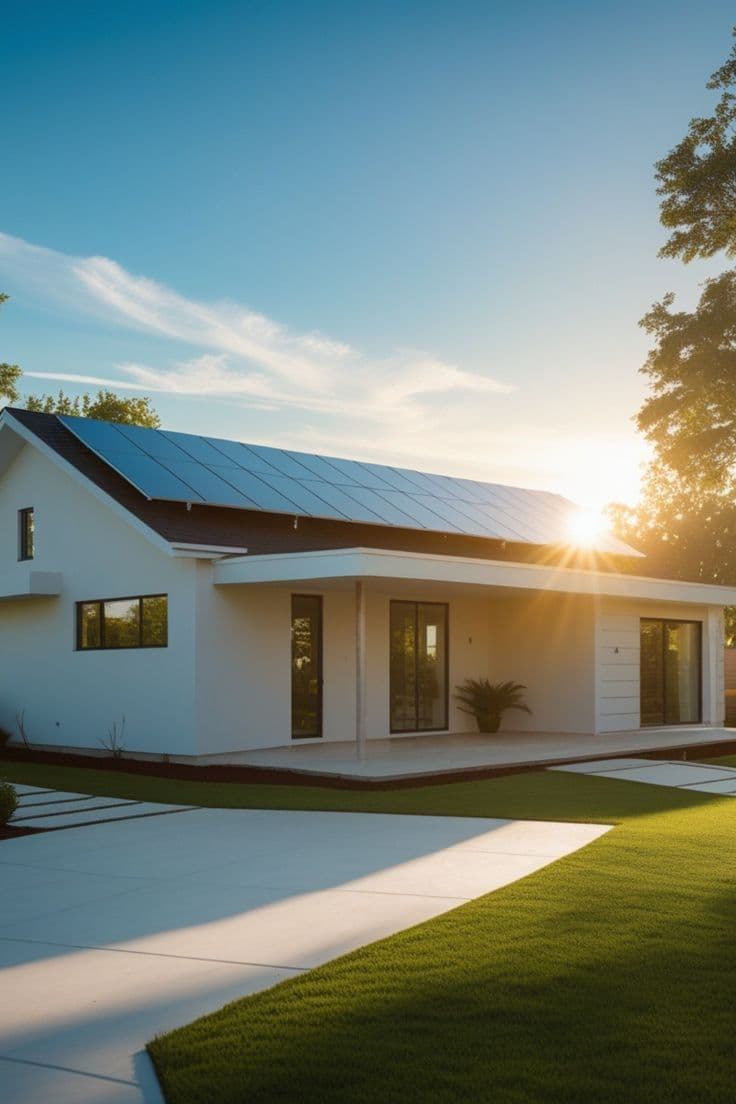
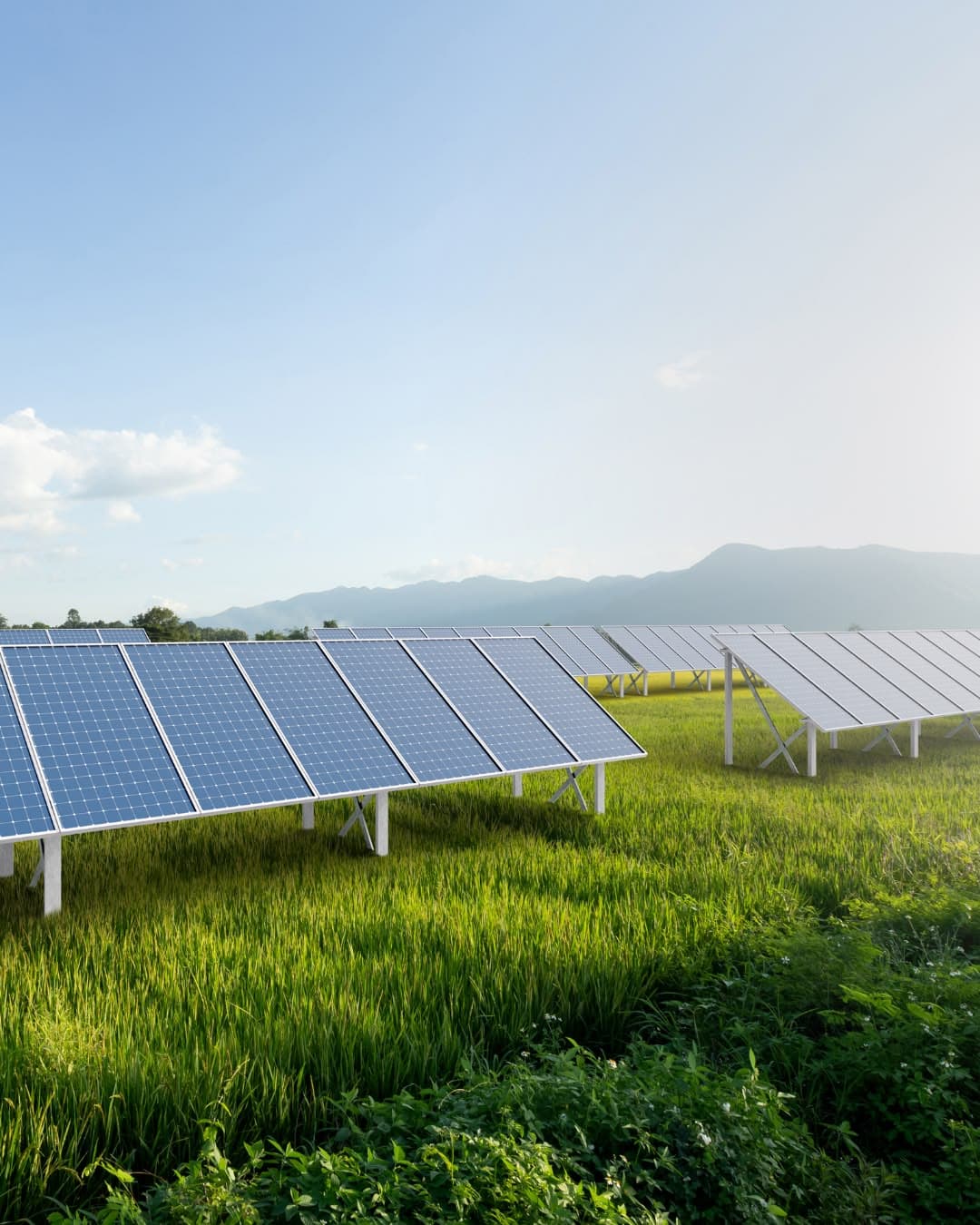
Build your system
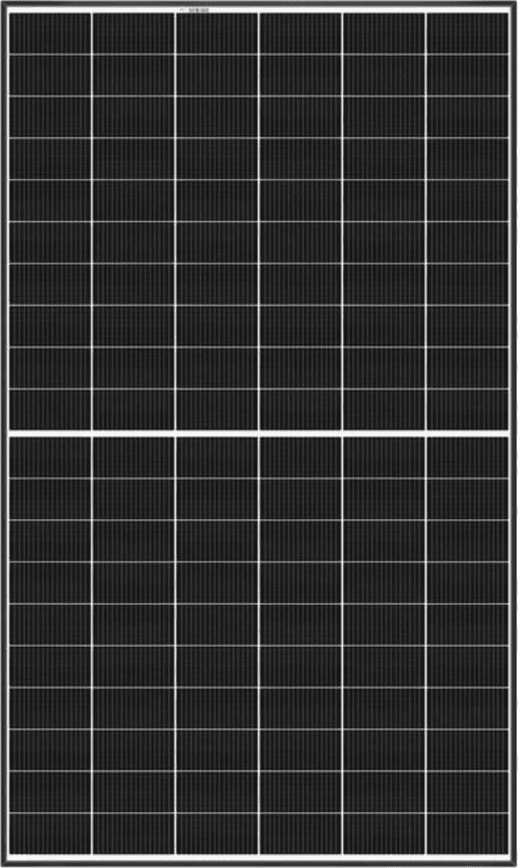
Single-crystal cells, and the most output you can get from a square metre. The right call when roof space is tight and every kilowatt has to count.
Faisalabad, Pakistan
- Commercial
- Industrial
- Residential
- Agricultural
To make solar energy accessible, affordable, and reliable for Pakistani businesses and communities, contributing to energy independence and environmental sustainability.
Built by people who pay industrial bills.
Standard Solar is the energy arm of Standard Group. Through Standard Industries we work in textile and manufacturing ourselves — so an industrial load curve is something we read from experience, not from a datasheet.
About Standard Solar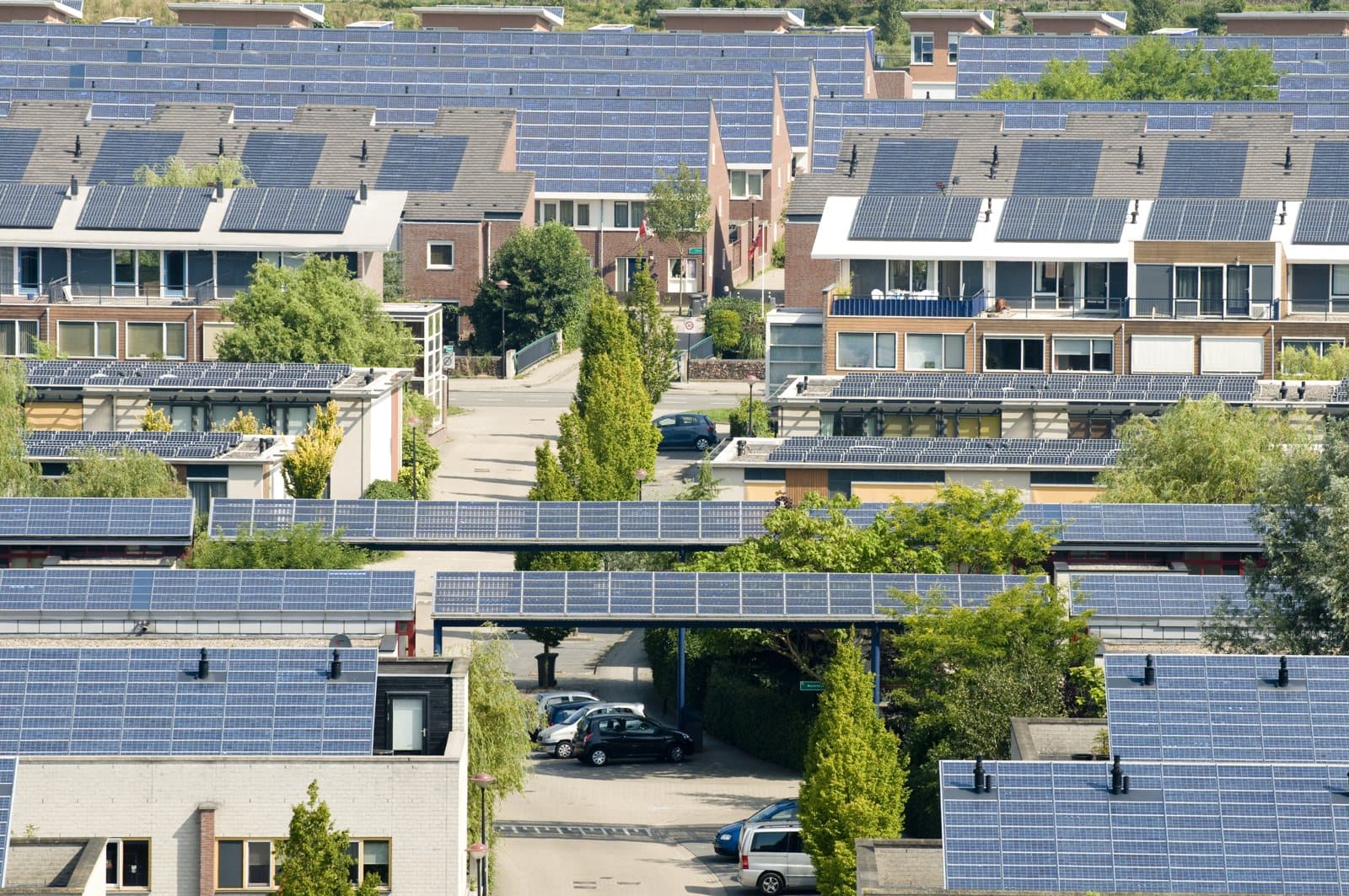
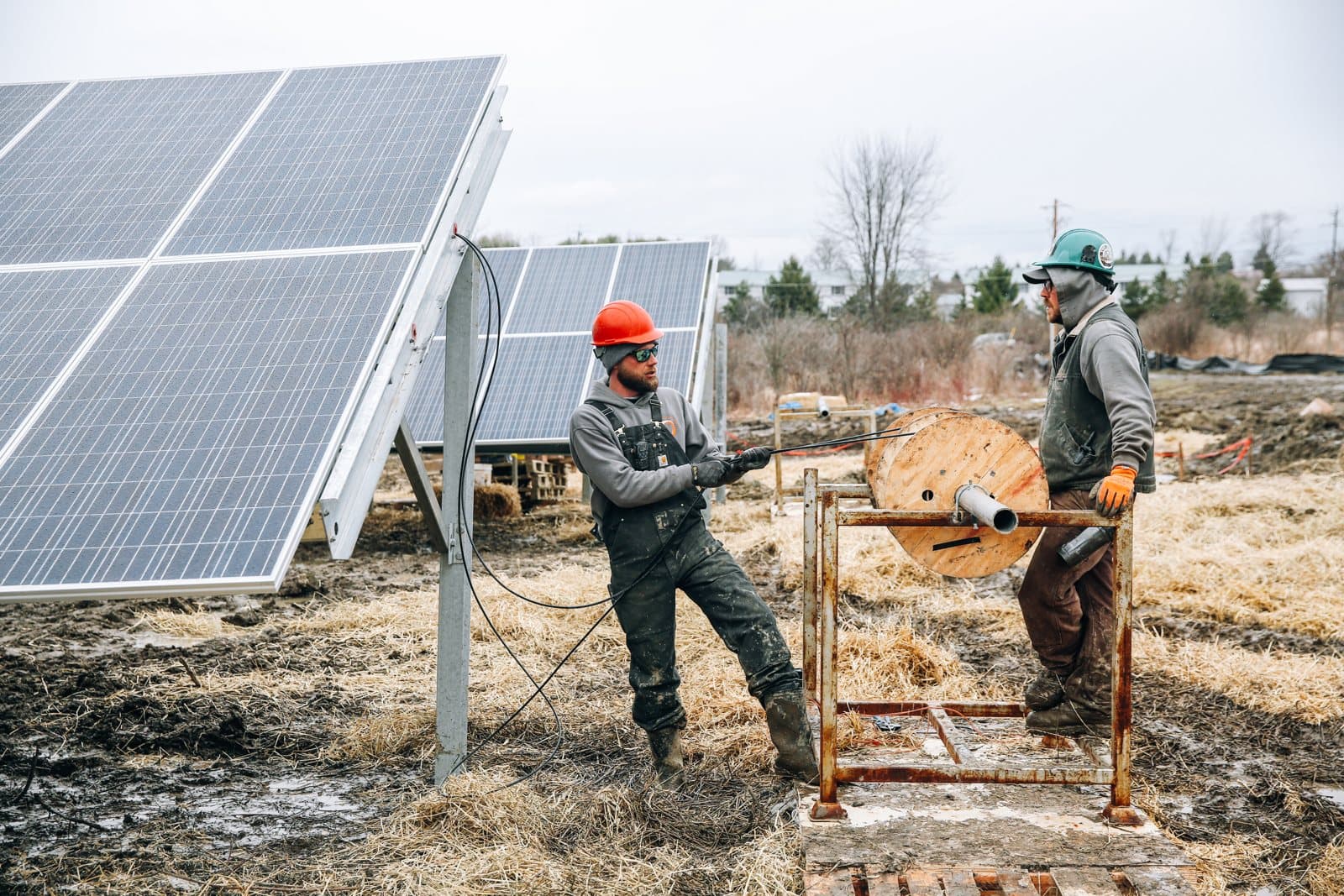
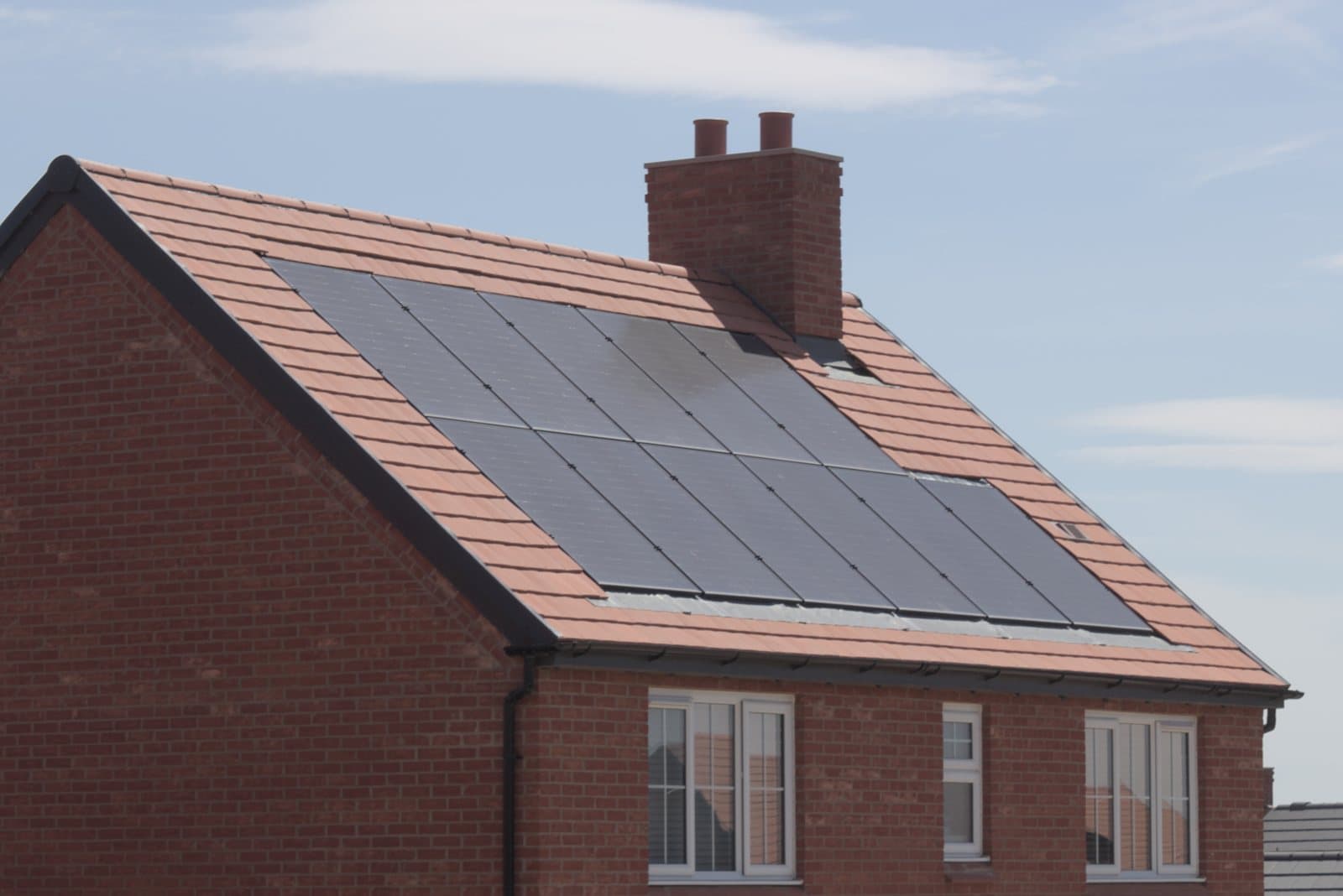
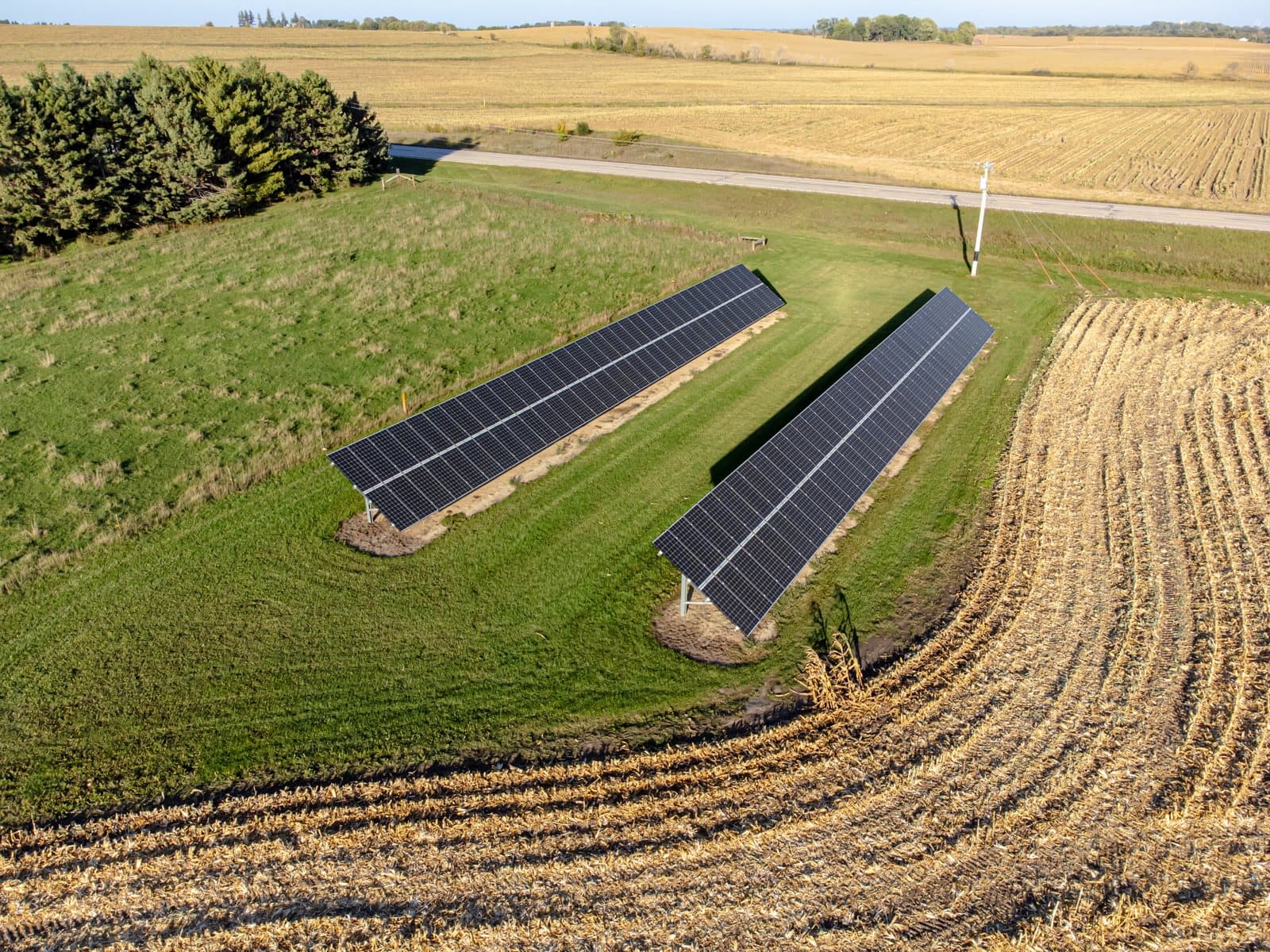
From first call to first unit.
- 01
Site survey
We visit, measure the roof or the land, go through your recent bills and record the loads that actually matter.
- 02
System design
You get a sized proposal: array layout, inverter and battery selection, expected generation, and a payback figure you can check for yourself.
- 03
Installation
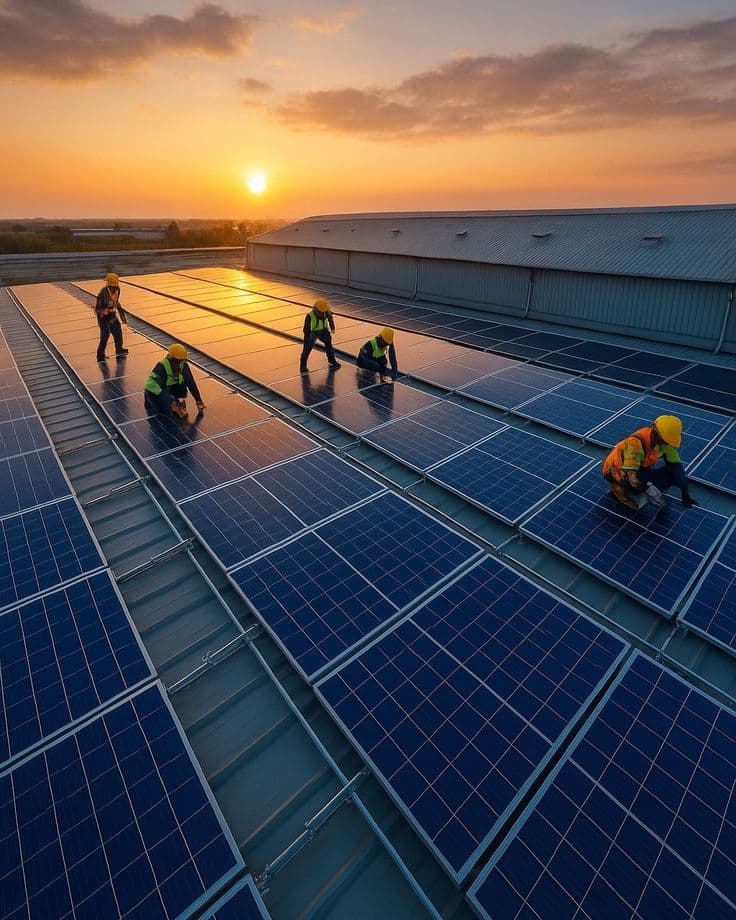
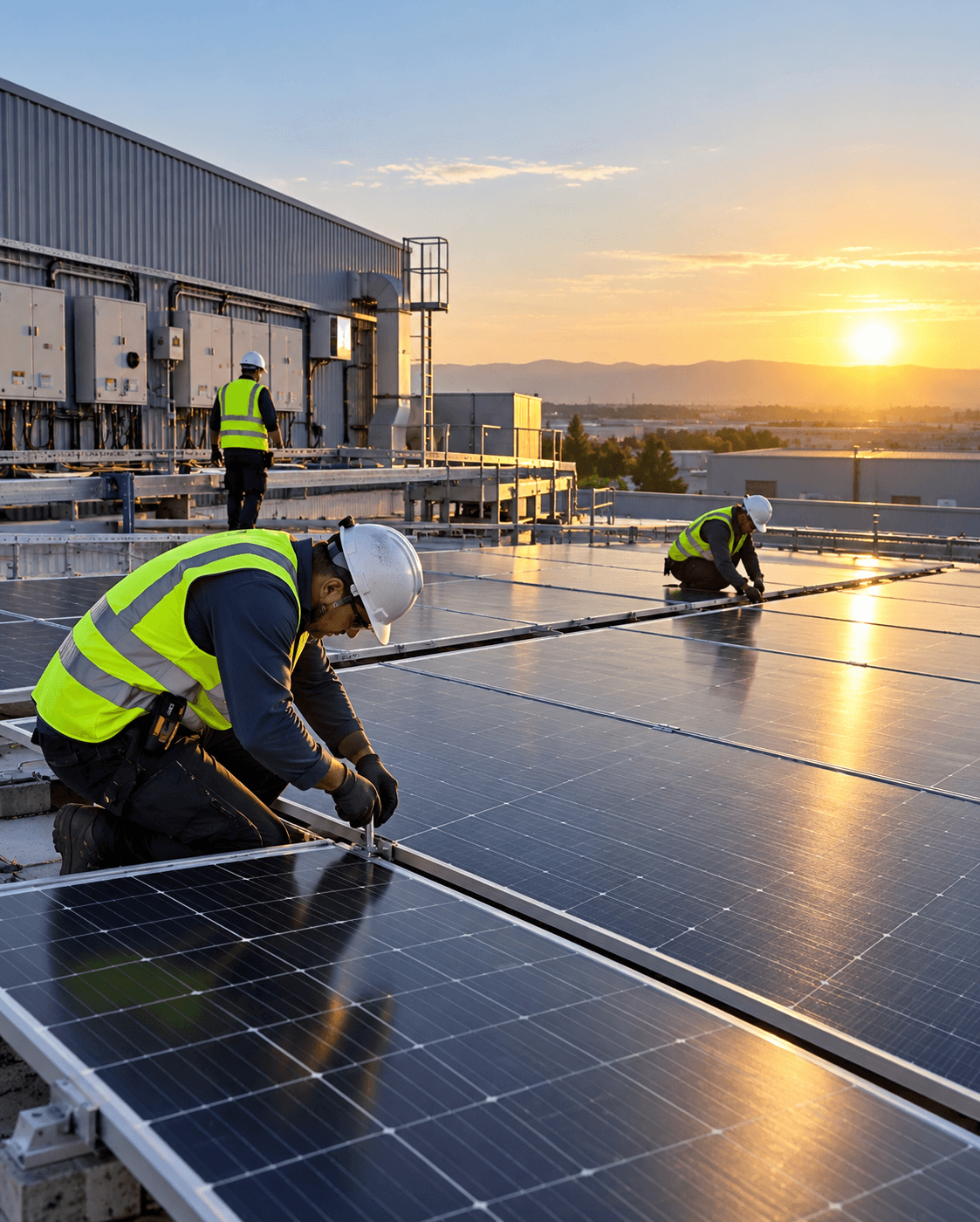
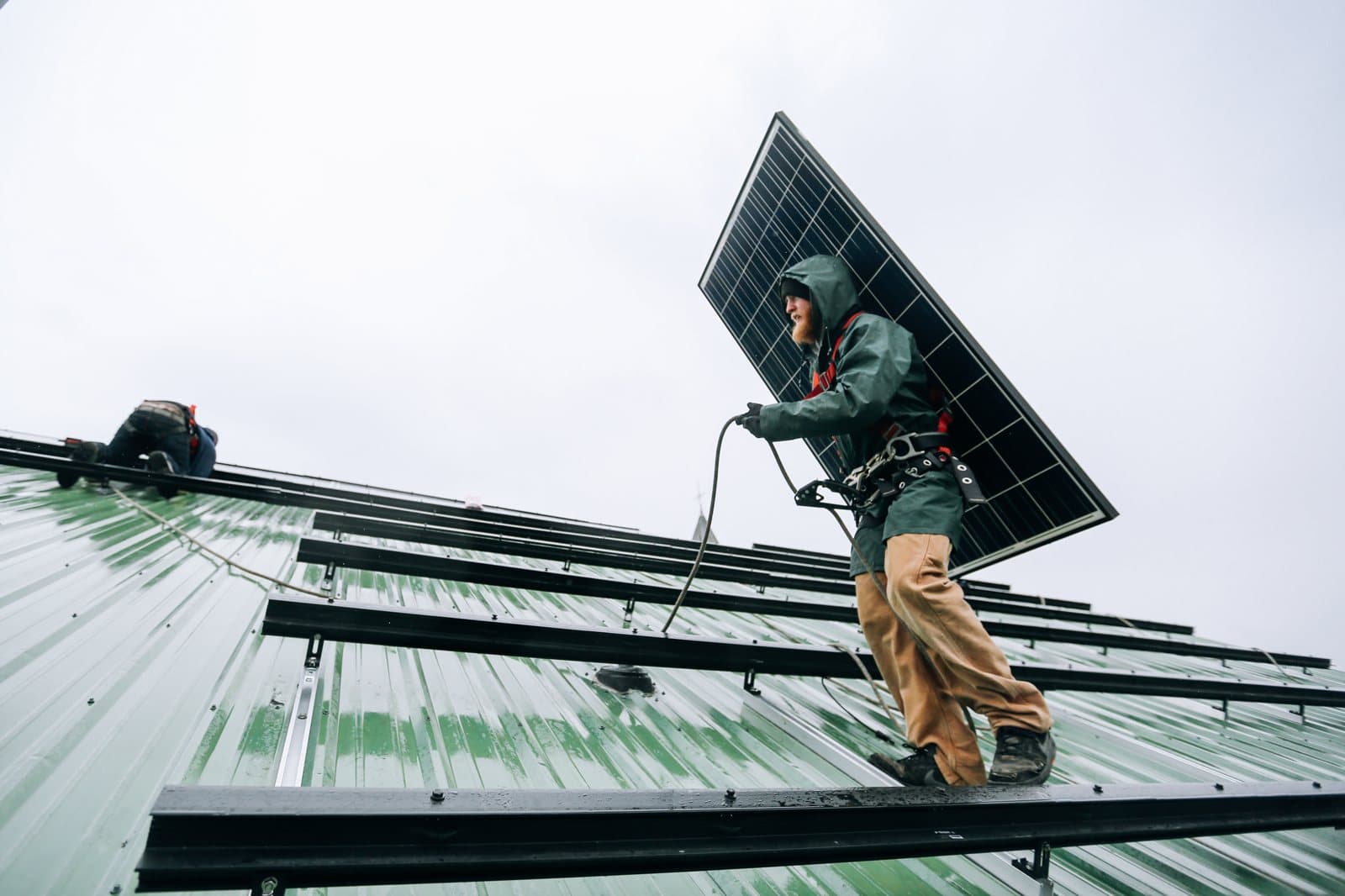
Mounting, DC and AC work, then inverter and battery commissioning — carried out to a schedule agreed before anyone turns up.
- 04
Handover & support
We walk you through monitoring, hand over the documentation, and stay reachable for service and warranty afterwards.
The standard is in the name.
An industrial group, not a reseller
Standard Solar sits inside Standard Group, alongside our textile and manufacturing operations. The people quoting your system are the people who have to stand behind it.
Sized to your load, not to a catalogue
Every system is designed around your own consumption, your roof or land area and your budget — not pulled off a list of fixed packages.
One team, start to finish
Survey, design, supply, installation and after-sales all sit with us, so there's no gap between whoever sold it and whoever has to fix it.
Equipment specified on merit
Mono or poly, hybrid or off-grid, lithium or tubular — we specify what suits the site and explain the trade-off, rather than defaulting to one product line.
The ones we get asked most.
How much will I actually save?
It depends on your tariff and your consumption, but commercial systems typically cut electricity costs by 70-90%, and pay for themselves within two to four years. A survey turns that range into a figure for your site.
What size system do I need?
Homes usually land between 3-5 kW and 10-20 kW. Commercial and industrial sites are sized from metered load rather than floor area, so the survey settles it rather than a rule of thumb.
Monocrystalline or polycrystalline panels?
Monocrystalline converts 19-22% of the light that reaches it; polycrystalline 15-17%. Choose mono when roof space is tight, and poly when you have room to spare and want a lower cost per watt.
Do I need batteries?
Not always. An on-grid system without storage gives the fastest payback. You add batteries when loads need to ride through an outage, or when there's no grid connection to begin with.
What happens when the grid goes down?
A plain on-grid system shuts down with the grid. A hybrid or off-grid system keeps your selected circuits running from the battery, which is usually the reason to choose one.
What maintenance does it need?
Panels want occasional cleaning, more often through the dusty months. Tubular batteries need topping up; lithium and AGM don't. Inverters get checked periodically and otherwise look after themselves.
Find out what your roof is worth.
Tell us where the site is and roughly what you pay each month. We'll come back with a sized system, a generation estimate and a payback figure.